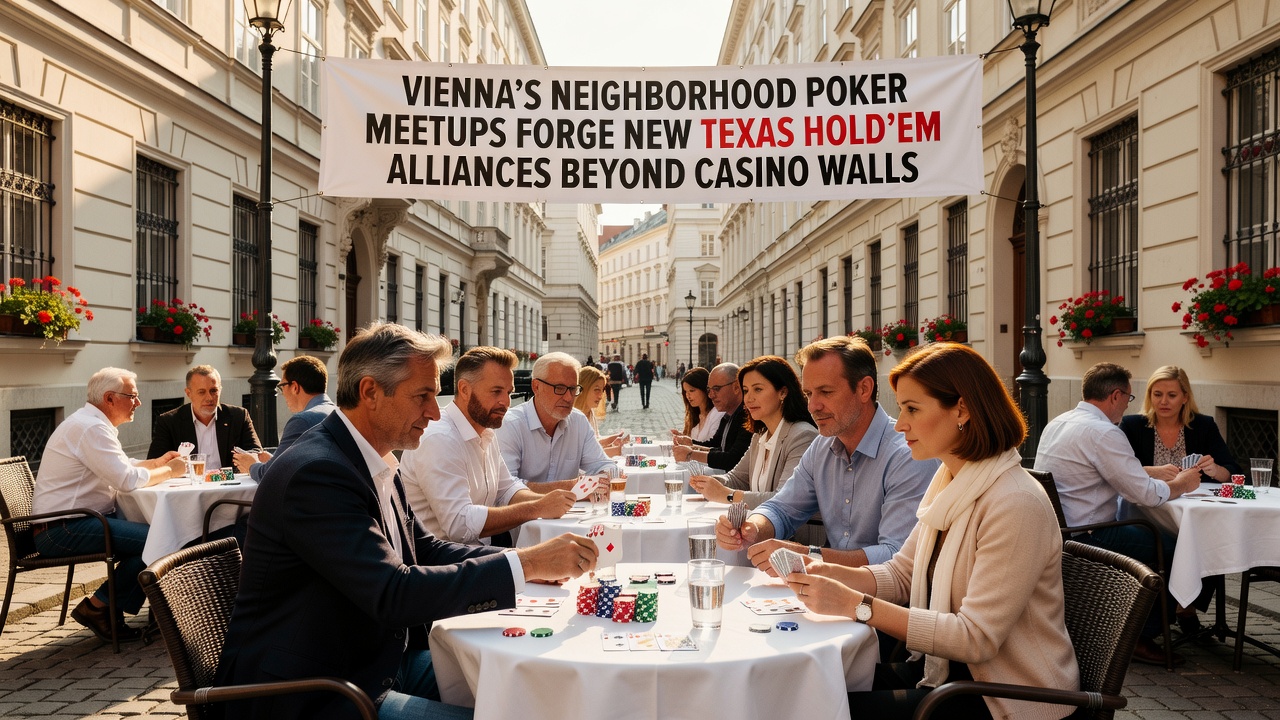
Vienna's Neighborhood Poker Meetups Forge New Texas Hold'em Alliances Beyond Casino Walls
Neighborhood poker meetups across Vienna districts have expanded steadily since early 2025, with participants forming structured alliances that extend well beyond traditional casino environments, and data from local event registries shows consistent monthly gatherings in areas such as Favoriten, Ottakring, and Donaustadt through August 2026. These sessions typically occur in private residences or community halls where players coordinate schedules via digital platforms while maintaining strict adherence to standard Texas Hold'em rules without house edges associated with commercial venues.
Community Structures Emerging in District Settings
Observers note that groups in the 10th and 16th districts have established rotating host systems that allow each participant to manage one session per quarter, which distributes costs evenly and encourages consistent attendance, whereas larger alliances spanning multiple neighborhoods now coordinate joint buy-in events that attract 20 to 40 players per gathering. Figures from community bulletin archives indicate these arrangements have increased cross-district participation by linking players who previously operated in isolated circles, and organizers report formal agreements on chip distribution plus dispute resolution protocols that mirror elements found in regulated play.
What's interesting is how these alliances incorporate skill-sharing components where experienced participants demonstrate probability calculations during breaks, yet all exchanges remain voluntary and separate from any monetary side bets that could conflict with regional gaming statutes. Research compiled by the Austrian Institute for Leisure Studies documents similar patterns in other European cities, and those records highlight how neighborhood formats reduce barriers for newer players compared with casino minimums that often exceed 50 euros per buy-in.
Alliances Extending Influence Through Shared Resources
Players involved in these meetups have pooled resources to acquire standardized decks and timers that circulate among member groups, which creates logistical efficiencies and reduces individual expenses over time. In August 2026 several alliances scheduled simultaneous sessions across three districts to test synchronized tournament structures, with results tracked through shared spreadsheets that record hand outcomes for later review. This approach mirrors practices documented in reports from the Canadian Gaming Association, where community networks emphasize collective equipment management to sustain long-term participation.
Turns out the alliances also facilitate mentorship pairings that pair veterans with beginners for pre-session discussions on position strategy and betting patterns, though these exchanges occur outside active play and carry no financial obligations. Government statistics from the City of Vienna leisure department confirm that registered neighborhood events rose from 12 documented sessions in 2024 to over 45 projected for 2026, reflecting sustained demand for non-casino alternatives.
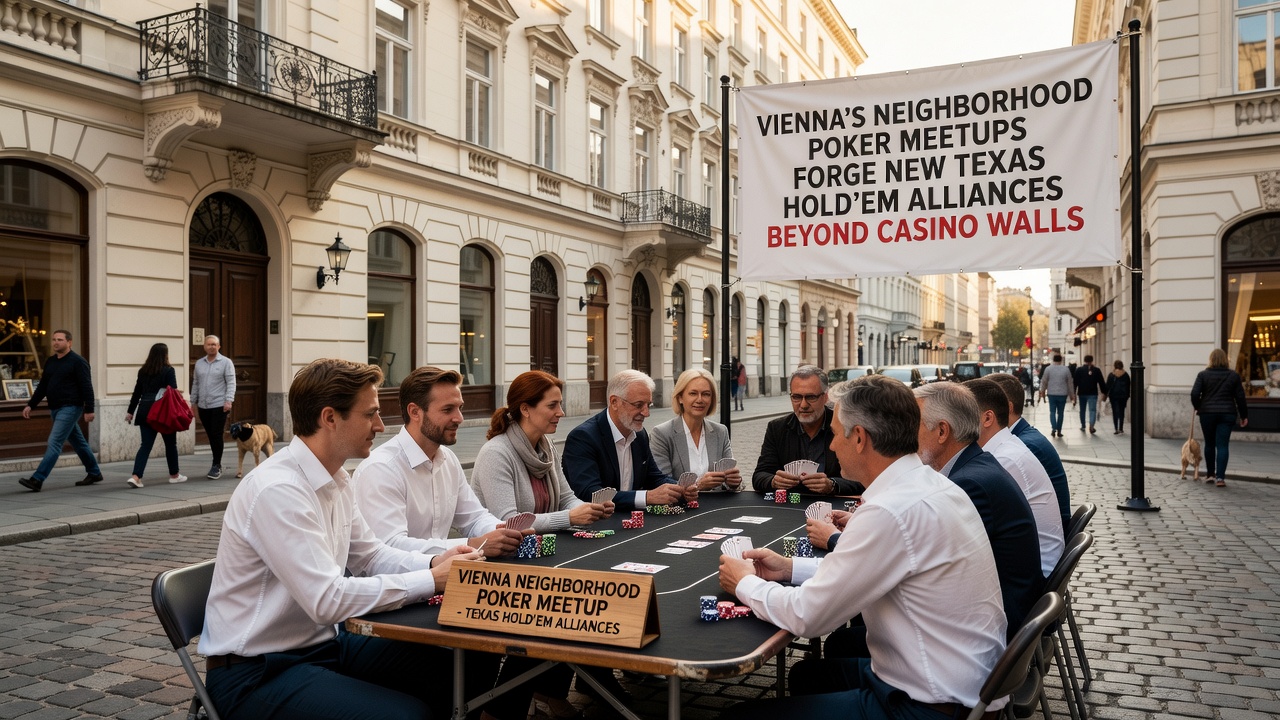
Regulatory Context and Participation Trends
Austrian gaming regulations permit private gatherings when no rake or house fee applies, which allows these meetups to operate without licensing requirements that govern commercial casinos, and enforcement records from the Federal Ministry of Finance show zero compliance actions against registered neighborhood groups through mid-2026. Participants frequently reference these legal boundaries when establishing group charters that prohibit external spectators and limit session lengths to four hours maximum.
One study from the University of Vienna's Department of Social Dynamics examined attendance logs from 18 active meetups and found average group sizes stabilized around 12 players per session, with repeat participation rates exceeding 70 percent among those who joined alliances formed in the previous year. Such data aligns with broader European trends tracked by the European Gaming and Betting Association, which notes similar growth in informal networks across multiple member states.
Future Outlook for District-Based Networks
Projections based on current registration trends suggest that by late 2026 additional districts including Simmering and Hernals will host their first cross-alliance events, and organizers have begun drafting shared calendars that prevent scheduling conflicts while preserving each group's autonomy. These developments build on existing frameworks where digital coordination tools handle invitations and result archiving without introducing commercial elements.
Conclusion
Vienna's neighborhood poker meetups continue to generate alliances that operate independently from casino structures, supported by documented increases in participation and formalized cooperation protocols through August 2026. Available records indicate these networks maintain focus on rule-compliant play while expanding access across districts, with statistical evidence pointing to sustained organizational growth in the coming months.